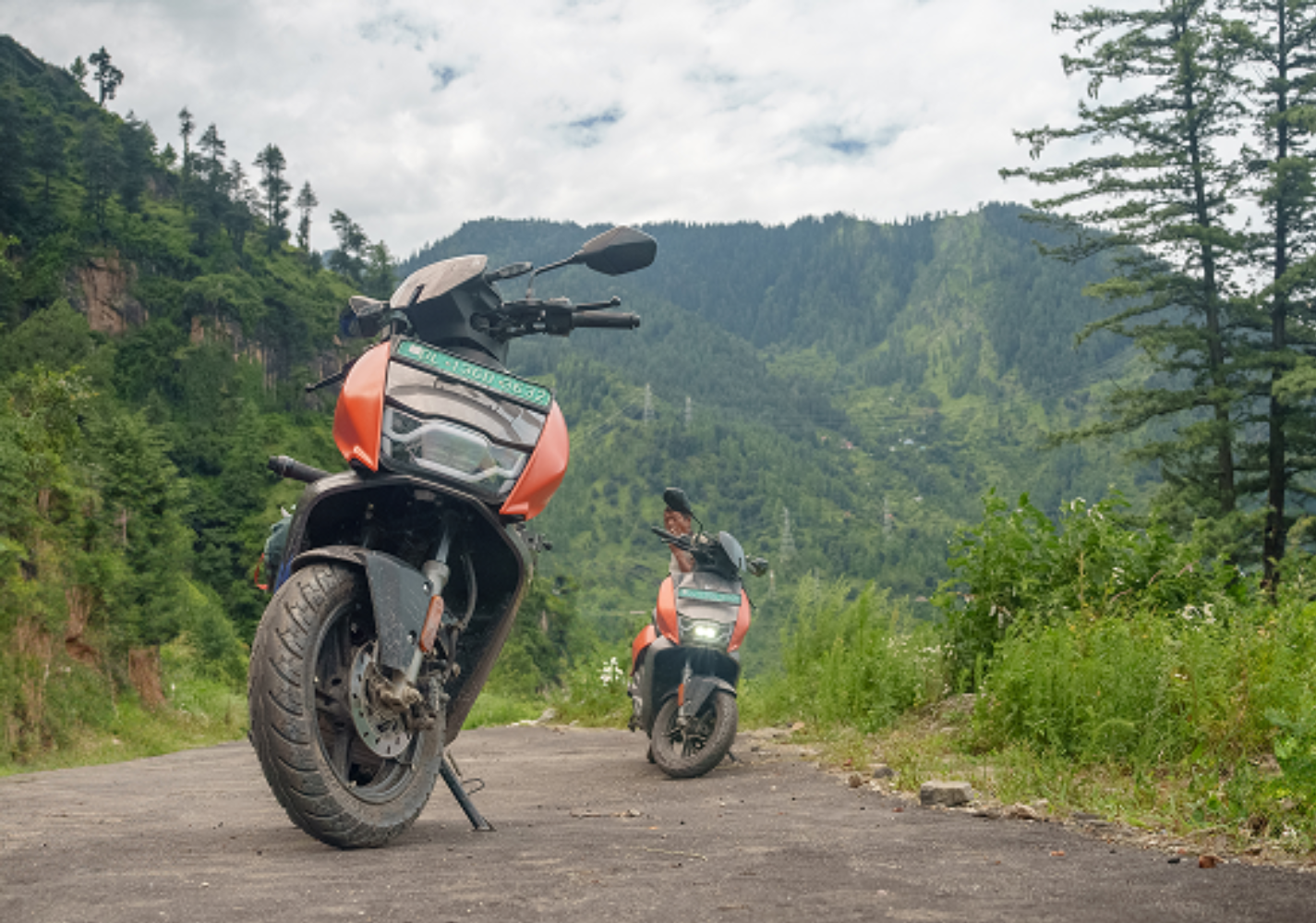
The Delhi 2028 two-wheeler ban has triggered a sharp response from India’s top auto industry body, SIAM.
Why the Delhi 2028 Two-Wheeler Ban May Not Work
Delhi wants cleaner air. Nobody disagrees with that goal. But the route being taken has the auto industry seriously worried. The Draft Delhi Electric Vehicle Policy 2026–30 proposes a hard stop on new petrol two-wheeler registrations. The cut-off date? April 1, 2028. The Society of Indian Automobile Manufacturers better known as SIAM has written to Delhi Transport Minister Pankaj Kumar Singh. Their message is blunt: this ban will not clean Delhi’s air.
What SIAM Actually Said
In a formal letter, SIAM sought reconsideration of Clause 8.2.1 of the draft policy. The industry body did not oppose EVs. In fact, it welcomed incentives proposed under the policy. But it said restricting new BS6 two-wheelers is the wrong move entirely. “Banning their registration will not improve air quality in Delhi,” SIAM said in the letter.
5 Key Points You Must Know
1. Old bikes, not new ones, are the real problem. Pre-BS IV two-wheelers,vehicles more than 10 to 15 years old,are responsible for nearly 99.5% of PM emissions from the two-wheeler segment in Delhi.
2. Modern BS6 bikes emit almost zero particulate matter. BS6 two-wheelers sold after April 2020 use electronic fuel injection and three-way catalytic converters. Their PM output is negligible.
3. Over 65% of buyers cannot yet switch to EVs. Delivery workers, daily commuters, and high-usage riders still find EVs inadequate on price, range, and load capacity.
4. The service ecosystem is not ready. Thousands of roadside mechanics and independent workshops lack the tools and training to service EVs at scale.
5. SIAM wants a multi-fuel green policy not just EVs. Flex-fuel, compressed biogas, and CNG should also be part of any green mobility plan, SIAM argues.
The Real Villain on Delhi’s Roads
Here is something most people do not know. That smoke-spewing bike weaving through traffic? It is likely over a decade old. Running on no catalytic converter. Possibly BS II or BS III emission standard. SIAM’s data makes this very clear. Pre-BS IV vehicles those more than 10 to 15 years old contribute nearly 99.5% of particulate matter from the two-wheeler segment. Meanwhile, a modern BS6 scooter bought at a showroom today? It barely registers on the PM scale. Banning the cleaner vehicle while the older ones still run freely makes little sense. “Removing them from the streets will help improve the AQI,” SIAM said, urging the government to focus on aggressive phaseout of older vehicles instead.
What About the Delivery Guy and the Daily Commuter?
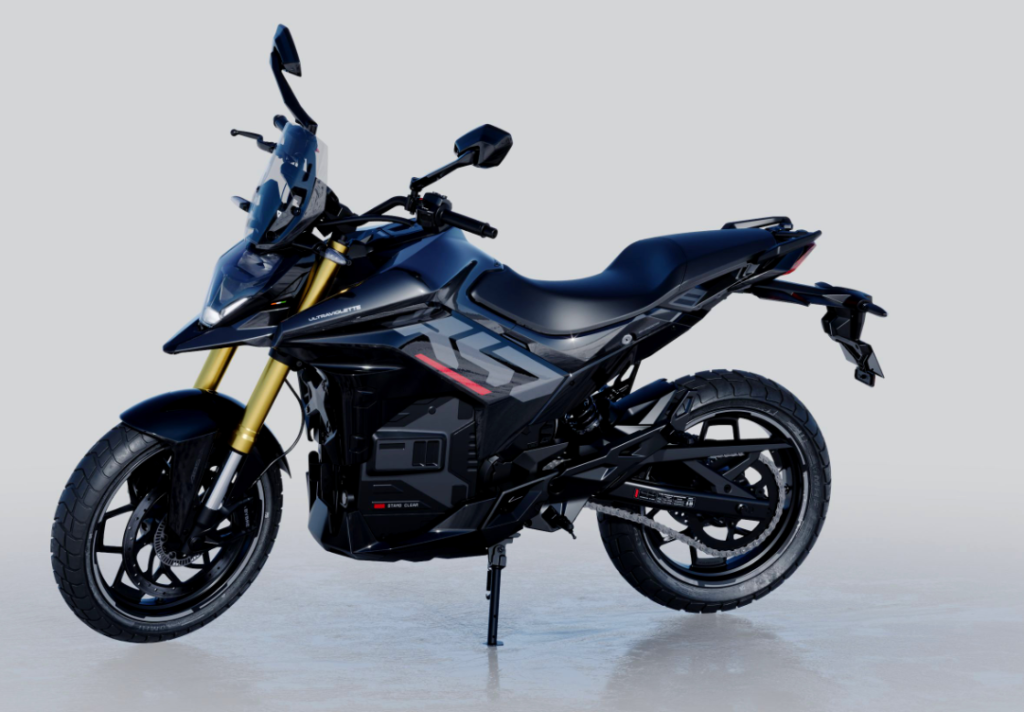
This is where the policy gets personal for millions of Delhiites. SIAM flagged a very real concern. High-usage riders think delivery boys, construction workers, and long-distance commuters depend on petrol two-wheelers for their livelihood. Current electric two-wheelers simply cannot match petrol bikes on price, range, and payload for these users. According to SIAM, these use cases make up around 65% of all two-wheeler sales in Delhi and across India. Forcing a ban without affordable EV alternatives would cause what SIAM described as “customer distress.” That is a polite word for: people will be left stranded with no practical option.
The Mechanic Around the Corner Has a Problem Too
EV transition is not just about the buyer. SIAM also raised a concern that often goes unnoticed: the service ecosystem. Thousands of small workshops and roadside mechanics across Delhi depend on petrol two-wheeler service for income. These garages do not have EV diagnostic tools. They lack trained technicians for battery systems. A rushed transition, SIAM warned, could destroy these small businesses overnight. The association asked for a balanced transition that protects existing livelihoods while building the EV service infrastructure properly.
One Technology is Not Enough
SIAM made a broader point here and it is worth paying attention to. Electric vehicles are not the only path to cleaner mobility. The industry body asked Delhi to consider flex-fuel vehicles, compressed biogas, and CNG as part of a wider green strategy. This is in line with the central government’s push for multi-fuel approaches. India has already achieved E20 ethanol blending ahead of schedule. Flex-fuel two-wheelers are in development by multiple manufacturers. “Policy should enable all green technologies, avoiding unsustainable burden on the government exchequer,” SIAM said. In other words: do not put all your clean-air eggs in one EV basket.
Where Does This Leave the Policy?
The Delhi government has not finalised the EV policy yet. Consultations with industry stakeholders are still ongoing. The draft remains open for feedback. SIAM has made it clear: it supports the push for electric mobility. It backs the incentives. It only wants the policy to be practical, science-based, and fair to all types of users. The April 2028 deadline is ambitious. Whether it survives the consultation process intact remains to be seen. For now, the auto industry is asking Delhi to go after the real polluters those rusting, smoke-puffing old bikes rather than the shiny new BS6 machine parked outside your office.
Follow us on :
Join us on WhatsApp to never miss an update: https://whatsapp.com/channel/0029Vb8Fl286RGJGM6HEgX0N
Follow us on Instagram for the latest scoops: https://www.instagram.com/thegaragemotoring
Follow us on Facebook for the latest content:https://www.facebook.com/thegaragemotoring
Follow us on X and be the first to know everything on wheels: https://x.com/TGMotoring