
The Day Flex Fuel Reached the Common Man
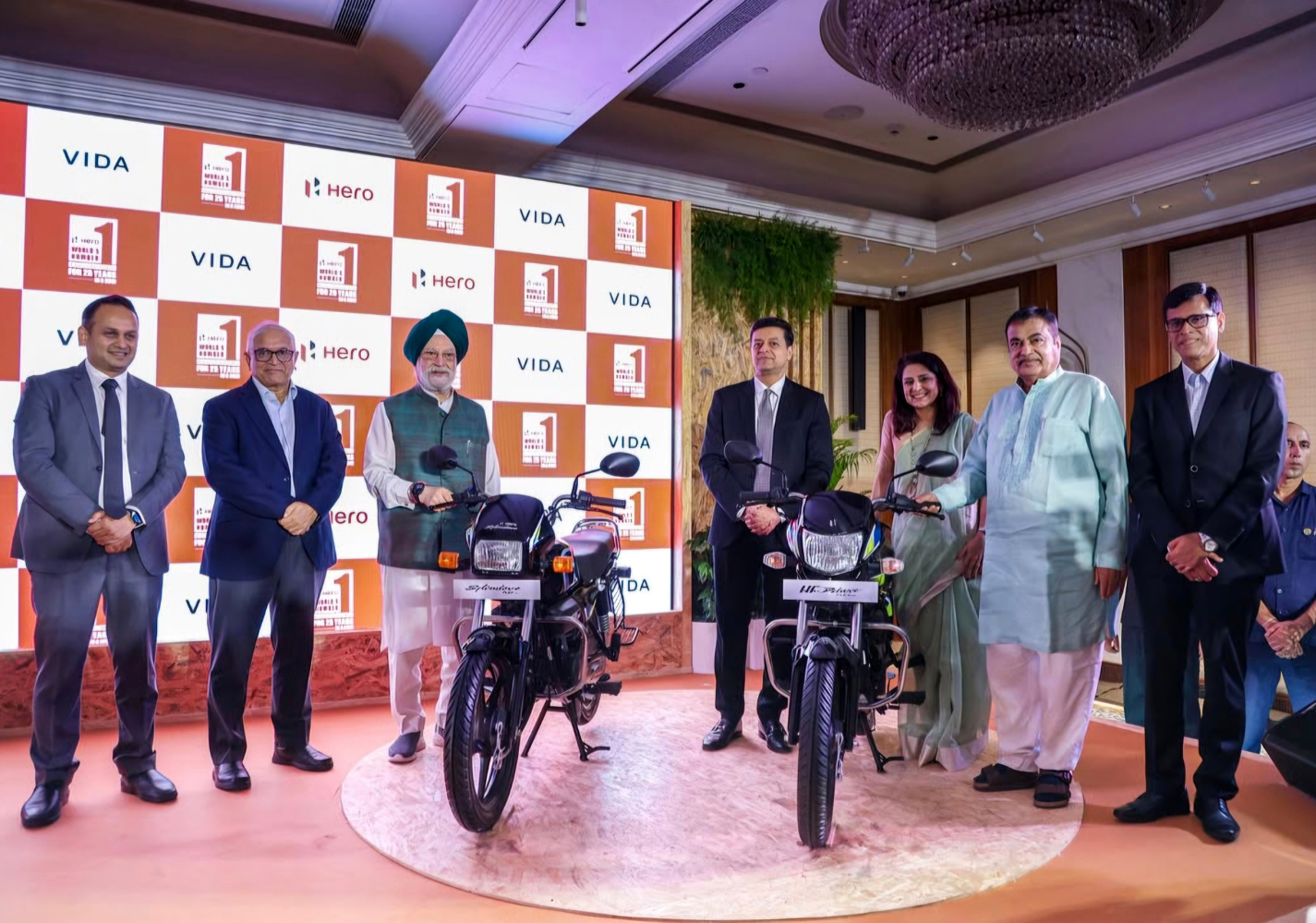
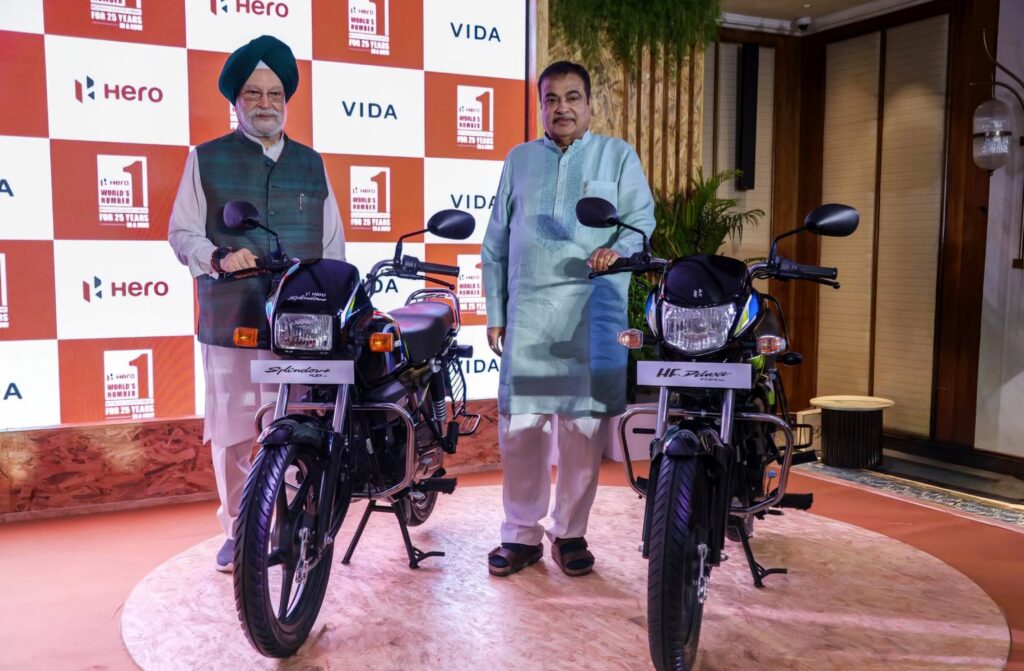
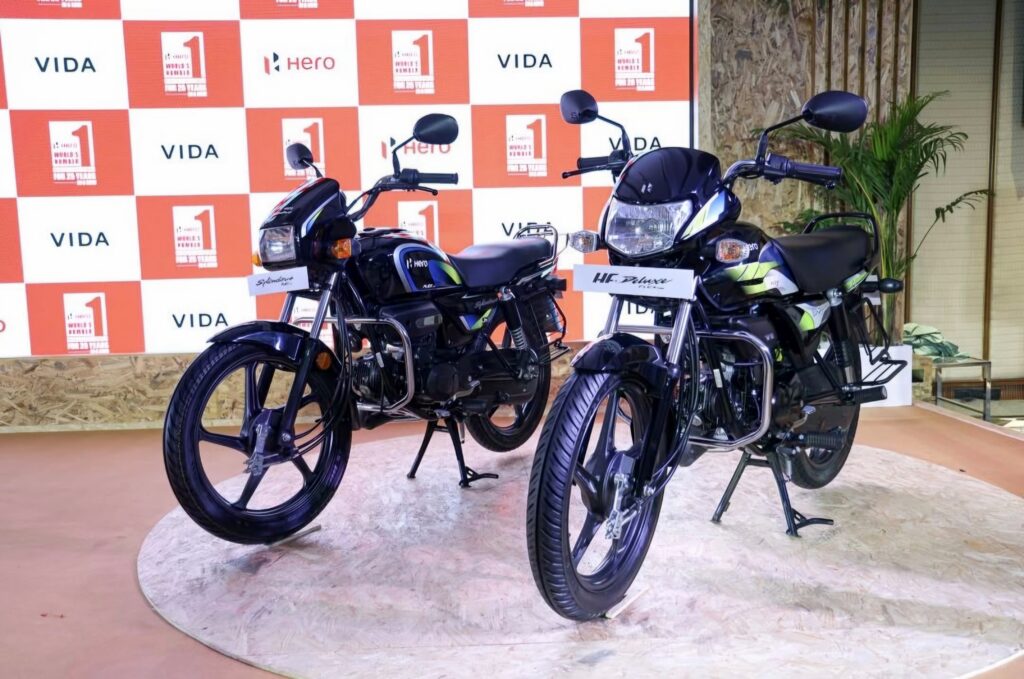
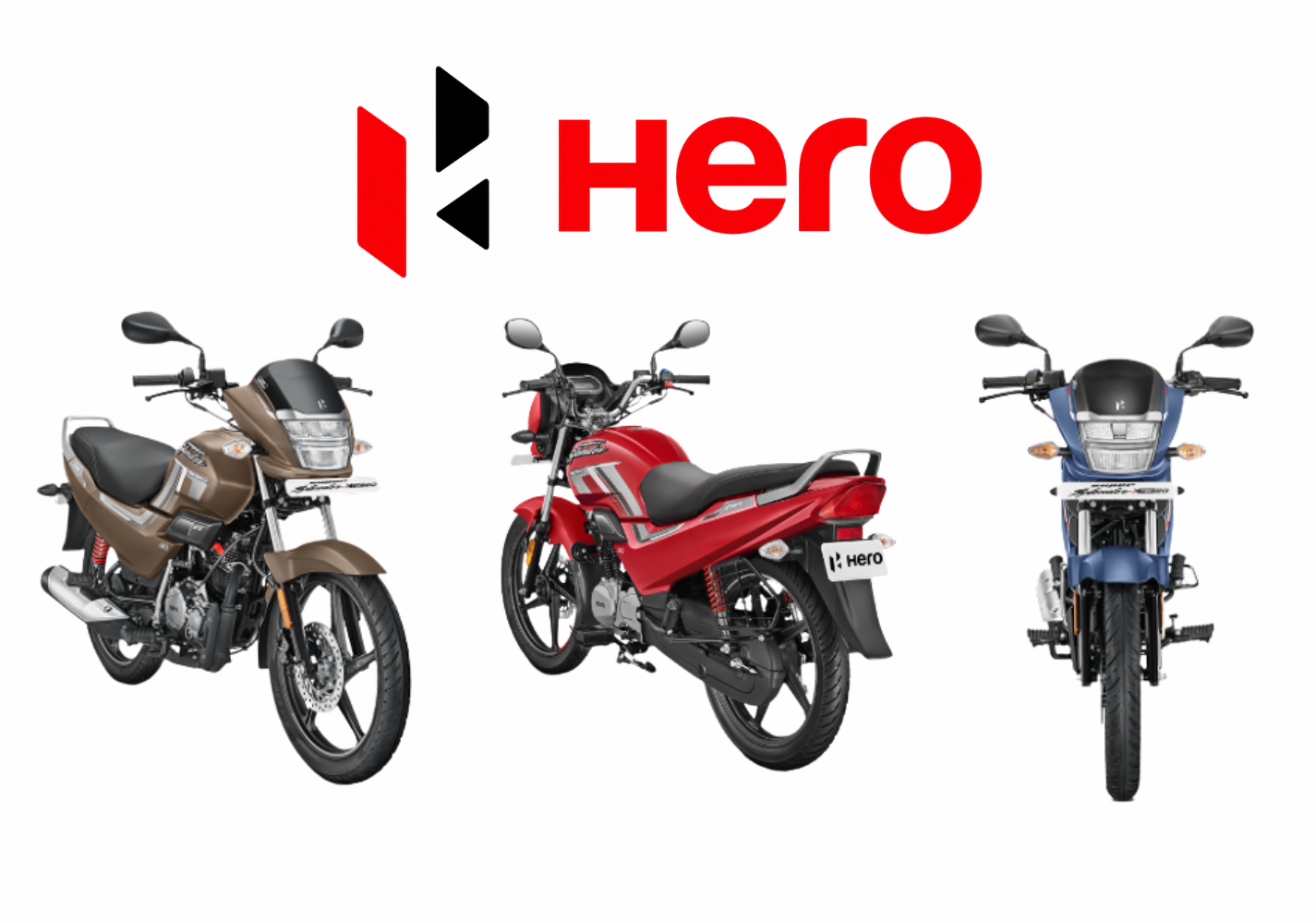
For years, flex fuel technology in India belonged to motor shows and prototype stages. It was the kind of thing ministers spoke about on stage promising, exciting, but always just out of reach for the ordinary rider. That changed recently. Hero MotoCorp has launched the flex-fuel versions of two of its most important motorcycles the Splendor+ and the HF Deluxe. The Hero Splendor+ and HF Deluxe Flex Fuel models are priced at Rs 82,710 and Rs 72,792 respectively, both ex-showroom Delhi. These are not premium bikes. These are not concept machines. These are the motorcycles that crores of Indian families depend on every single day. And now they can run on up to 85 per cent ethanol.
Why Were These Two Bikes the Right Choice?
Hero did not pick the Splendor+ and HF Deluxe for this launch by chance. Together, the Splendor and HF families account for roughly one in every three motorcycles currently on Indian roads. That statistic alone explains the scale of what this launch represents. By bringing flex fuel technology to these two platforms, Hero has effectively placed E85-compatible motorcycles within reach of the largest segment of Indian two-wheeler buyers.
What Has Actually Changed Under the Tank
Both motorcycles continue to use Hero’s long-serving 97.2cc single-cylinder engine. The fundamental architecture has not changed. What has changed is everything that touches the fuel. A revised ECU calibration has been developed specifically for higher ethanol concentrations. A new fuel pump has been fitted. A secondary fuel filter has been added. The fuel system components have been upgraded to handle ethanol’s more corrosive nature. In E85 guise, the engine produces 8.6hp at 8,000rpm and 8.3Nm at 6,000rpm. The Splendor+ additionally gets Hero’s i3S idle stop-start system. Both models receive a digi-analogue instrument cluster, side-stand engine cut-off and tubeless tyres.
Where and When You Can Buy One
The flex-fuel versions of the Splendor+ and HF Deluxe will initially go on sale in Delhi and select regions of Maharashtra from July 2026. A nationwide rollout is planned thereafter. The phased approach is deliberate; E85 fuel availability in India is still limited. Starting in markets where ethanol infrastructure is more developed makes practical sense. Hero will continue selling the standard E20-compliant versions of both motorcycles alongside the new flex-fuel variants. Buyers are not being forced to choose they are simply being given a future-ready option.
What About the Millions of Bikes Already on the Road?
This is the question that many existing Hero owners are quietly asking. If E85 fuel eventually becomes widely available across India, what happens to the millions of Splendor and HF Deluxe motorcycles already on the road the ones built for E20? Hero MotoCorp has indicated that retrofit kits could be offered for older motorcycles if required. That would allow existing owners to upgrade their fuel system components without having to buy an entirely new motorcycle. It is not a confirmed product yet but the intent is there. For a country where motorcycles are often kept and maintained for a decade or more, this is not a small consideration.
The Mileage Question and Why it May Not Matter
Here is something every practical Indian buyer will want to know. Ethanol has a lower energy density than petrol. Running on E85 will reduce fuel efficiency by approximately 20 per cent compared to E20 or conventional petrol. On paper, that sounds like a problem. But the real-world impact depends entirely on how E85 is priced. Minister Hardeep Singh Puri has confirmed that E85 will be priced significantly lower than current E20 petrol. If that price gap is meaningful and early indications suggest it will be the lower fuel cost per litre could comfortably offset the higher consumption. The cost-per-kilometre figure for E85 riders could end up comparable to or even lower than what E20 riders currently pay.

The Fuel Infrastructure Challenge
The honest reality is that the flex-fuel bikes are ahead of the fuel network right now. E85 dispensers do not yet exist at scale across India. The government’s plan calls for 50 to 100 E85 stations in the Delhi-NCR and Mumbai-Pune-Nagpur corridors initially and expanding to 500 stations by end of 2026 and approximately 5,000 stations across major cities by end of 2027. Until that network is in place, many owners of flex-fuel motorcycles will continue riding on E20. The bikes are ready. The fuel just needs to catch up.
Follow us on:
Join us on WhatsApp to never miss an update: https://whatsapp.com/channel/0029Vb8Fl286RGJGM6HEgX0N
Follow us on Instagram for the latest scoops: https://www.instagram.com/thegaragemotoring
Follow us on Facebook for the latest content: https://www.facebook.com/thegaragemotoring
Follow us on X and be the first to know everything on wheels: https://x.com/TGMotoring
One thought on “Hero Splendor+ & HF Deluxe Flex Fuel Is Here!”