India ADAS V2X Spectrum Licensing Removed, paving the way for safer roads. Especially important for India which sees high road deaths annually.
A Policy Change That Could Save Lives
India recorded more than 177,000 road deaths in 2024. Nearly half a million accidents. Those numbers are not statistics they are families, futures and communities lost on roads that should have been safer. Against that backdrop, a regulatory change announced recently deserves far more attention than it has received. The Indian government has removed licensing requirements for radio spectrum used by automotive radar systems and vehicle-to-vehicle communication technology. It is a policy decision. But its implications on the ground for every driver, every passenger and every pedestrian sharing Indian roads could be profound.
What Was the Problem Before?
To understand why this change matters, it helps to understand what existed before. Automotive radar systems and connected-car communication hardware require access to specific radio frequency bands to function. In India, using those bands previously required separate spectrum licensing from regulatory authorities. That created a problem global automakers and component suppliers developing standardised hardware for the US and European markets had to build market-specific versions for India, or navigate a licensing process that added cost, complexity and time. The result was that advanced safety technology arrived in India later, at higher cost, than in comparable markets. This change removes that friction entirely.
Two Frequency Bands, Two Different Safety Functions
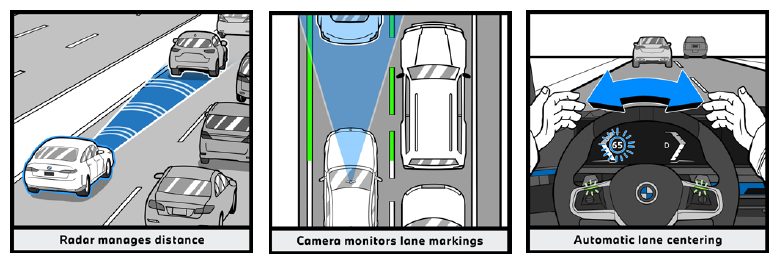
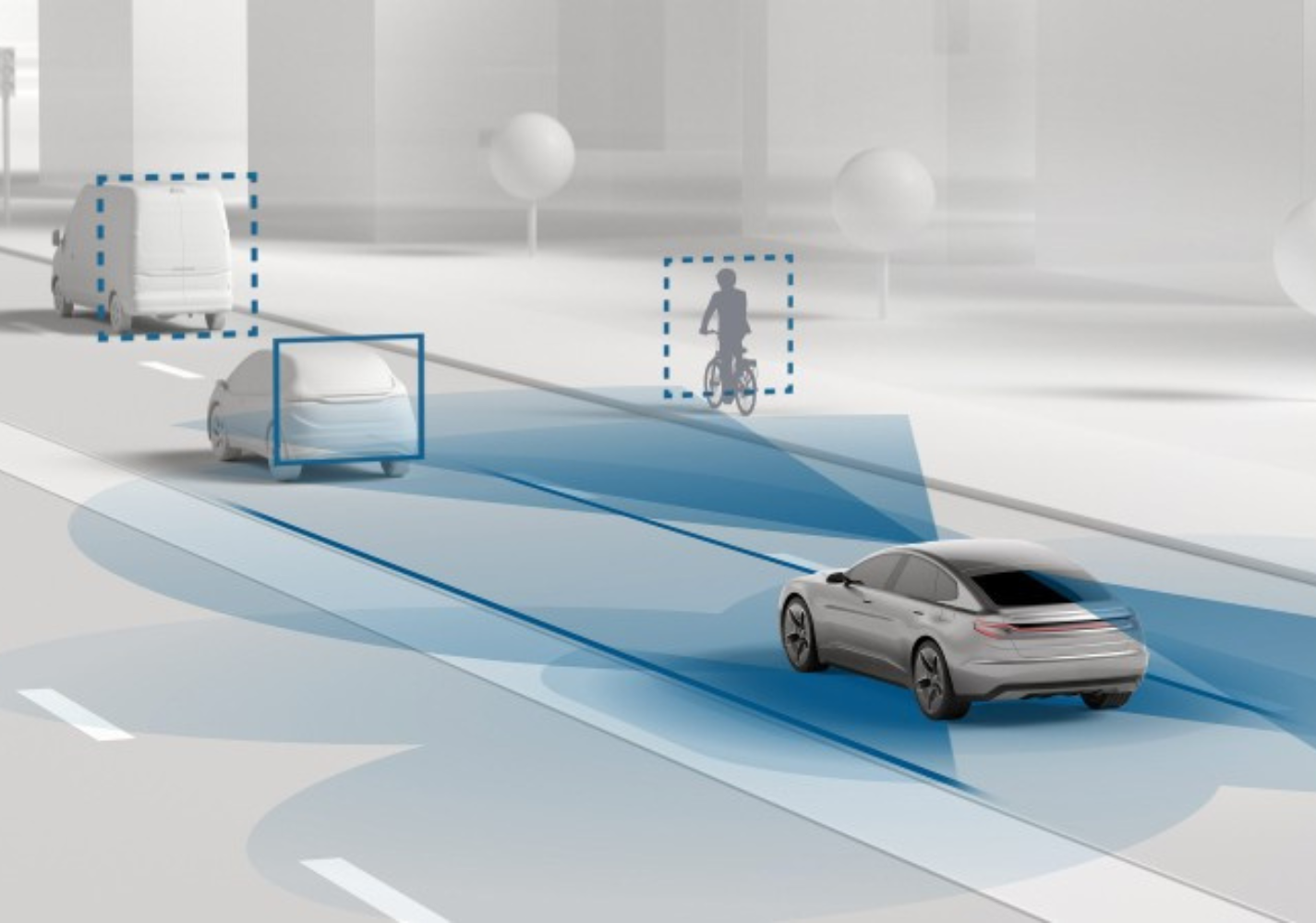
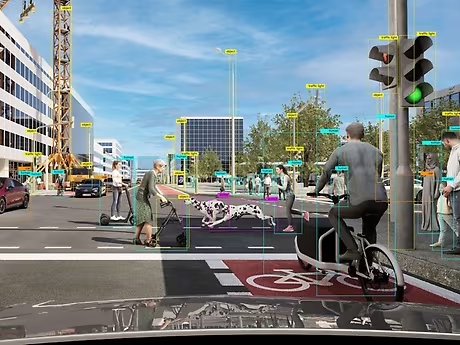
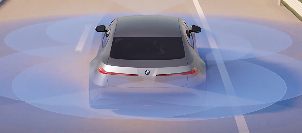
The exemption covers two separate frequency bands and each one enables a different category of safety technology. The 77GHz to 81GHz band is used by automotive radar sensors. These sensors are the foundation of several advanced driver assistance systems (ADAS) autonomous emergency braking, adaptive cruise control, blind-spot monitoring and lane-keeping assistance. They measure distances, detect objects and enable the vehicle to respond before a human driver can react. They are also a fundamental building block for future self-driving technology.
The 5.9GHz band enables vehicle-to-everything communication commonly referred to as V2X. This allows a vehicle to communicate not just with other vehicles but also with roadside infrastructure. A car approaching a blind corner can receive a warning that another vehicle is braking on the other side. An ambulance approaching from behind can alert traffic ahead before it is visible. A 2023 government panel noted directly that most sensors do not perform well in these scenarios and that V2X fills exactly that gap.
India ADAS V2X Spectrum Licensing Removed: India Now Aligns With the US and Europe
The significance of this alignment should not be understated. When India’s regulations match those of the United States and the European Union, it means automakers and component suppliers can deploy the same standardised, globally developed hardware here without modification. No market-specific versions. No additional development cost. No separate regulatory approvals for equipment already cleared elsewhere. That directly reduces the cost of bringing advanced safety technology to India and makes it far more viable to offer such features in mainstream and affordable vehicle segments, not just premium ones.
Who Benefits And How Quickly
The beneficiaries of this change span the entire automotive supply chain. Luxury brands like Mercedes-Benz and BMW which already offer radar-based driver assistance systems in their global lineups can now deploy identical systems in their India-market vehicles without additional regulatory hurdles. That closes a meaningful technology gap between what Indian buyers receive and what buyers in Europe or North America get in the same models.
Domestic manufacturers stand to gain even more significantly. Mahindra, Maruti Suzuki and Tata Motors between them covering the majority of vehicles sold in India can now introduce ADAS features more easily across their ranges. That means advanced safety technology filtering down into more affordable segments the segment where the largest volume of Indian buyers actually purchase their vehicles. Component suppliers including Bosch, Continental and Qualcomm are also expected to benefit, with a clearer commercial pathway for their radar and V2X hardware in the Indian market.
The Road Safety Context Why This Cannot Wait
India’s roads are among the most complex and unpredictable in the world. Cattle crossing highways. Pedestrians stepping into traffic without warning. Lane discipline that is inconsistently observed. Speed limits that are weakly enforced. In this environment, technology that can detect hazards faster than a human driver and respond before an accident occurs is not a luxury. It is a necessity. The government’s own data from 2024 makes that case with devastating clarity. Over 177,000 deaths in a single year. A 2023 government panel had already recommended that V2X capability be considered for inclusion in India’s voluntary Bharat NCAP safety ratings which currently assess crash performance but do not mandate specific active safety features.
What This Does Not Do And What Still Needs to Happen
It is important to be clear about the limits of this change. The licensing exemption does not mandate the use of radar or V2X systems in vehicles. No automaker is required to fit these technologies as a result of this notification. What has been removed is a regulatory barrier not replaced with a regulatory requirement. The commercial decision to invest in and deploy these systems remains with each manufacturer. Whether that leads to rapid adoption across the Indian market will depend on how quickly automakers choose to act on the opportunity now available to them.
Follow us on:
Join us on WhatsApp to never miss an update: https://whatsapp.com/channel/0029Vb8Fl286RGJGM6HEgX0N
Follow us on Instagram for the latest scoops: https://www.instagram.com/thegaragemotoring
Follow us on Facebook for the latest content: https://www.facebook.com/thegaragemotoring
Follow us on X and be the first to know everything on wheels: https://x.com/TGMotoring
Also Read: 2026 Tesla Model Y Premium RWD is here at Rs 50.89 Lakh