India’s electric vehicle market is growing fast. Bosch launches its third-generation Silicon Carbide (SiC) semiconductor chips in India. These chips promise to reshape EV performance, range, and efficiency in a big way. Bosch’s third-gen SiC chips mark a real turning point not just globally, but specifically for India. The combination of higher performance, smaller size, and local commitment makes this launch genuinely significant. Furthermore, with billions in manufacturing investment behind it, Bosch is clearly in this for the long run.
India’s EV space is heating up fast. And now, it has one of the world’s most advanced chip technologies powering it forward.
What Are Bosch SiC Chips and Why Should You Care?
Silicon Carbide (SiC) chips sit at the heart of every modern EV powertrain. They manage energy flow inside the inverter — from battery to motor. Traditional silicon chips lose energy during this conversion. SiC chips, however, switch faster and waste far less energy. As a result, EVs travel farther on a single charge.
Bosch has been building SiC semiconductors since 2021. Moreover, the company has already delivered over 60 million SiC chips across the world. That track record gives Indian automakers a trusted, proven technology to work with.
5 Key Highlights You Must Know
- 20% Higher Performance The new third-gen chips outperform the previous generation by 20%.
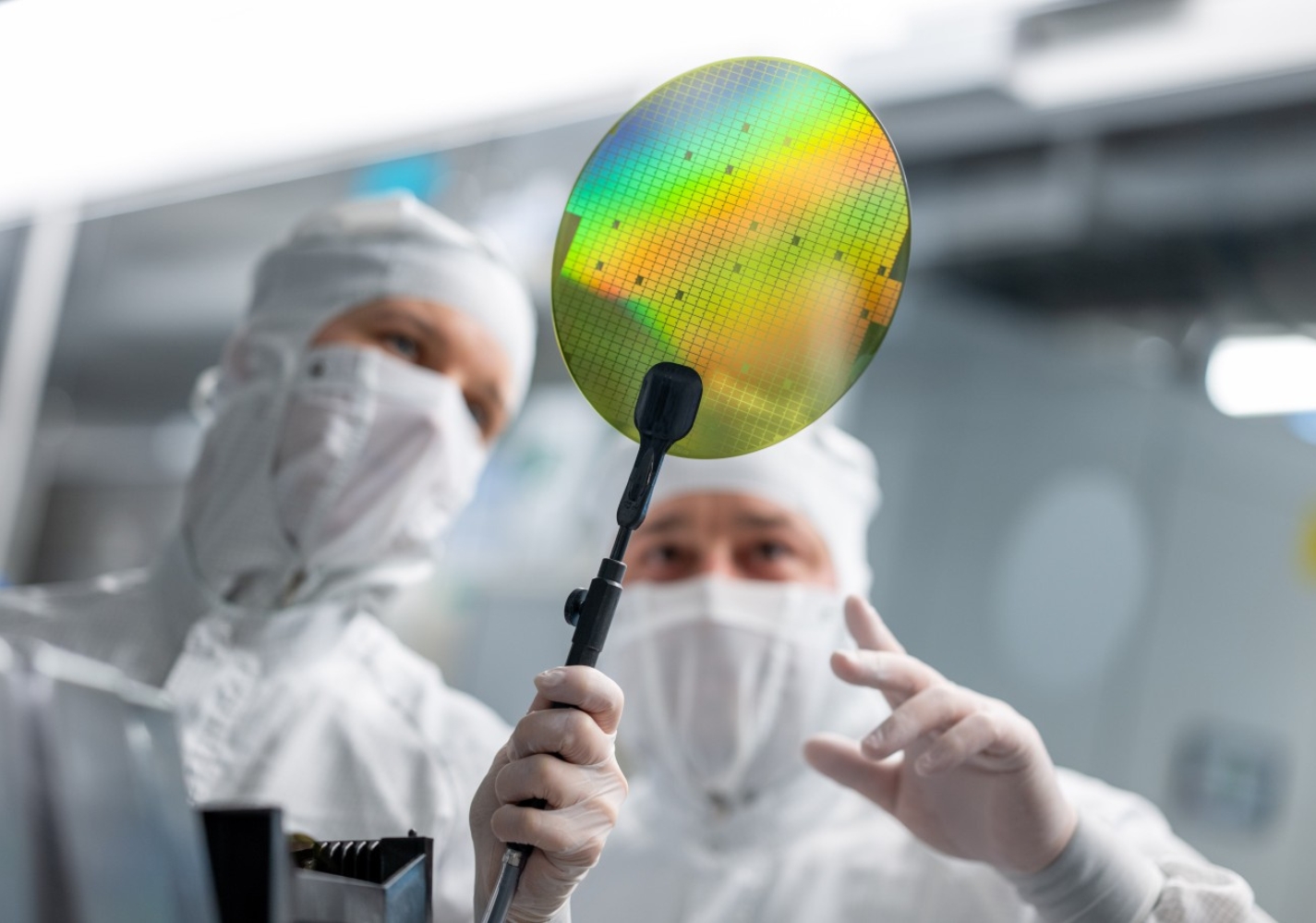
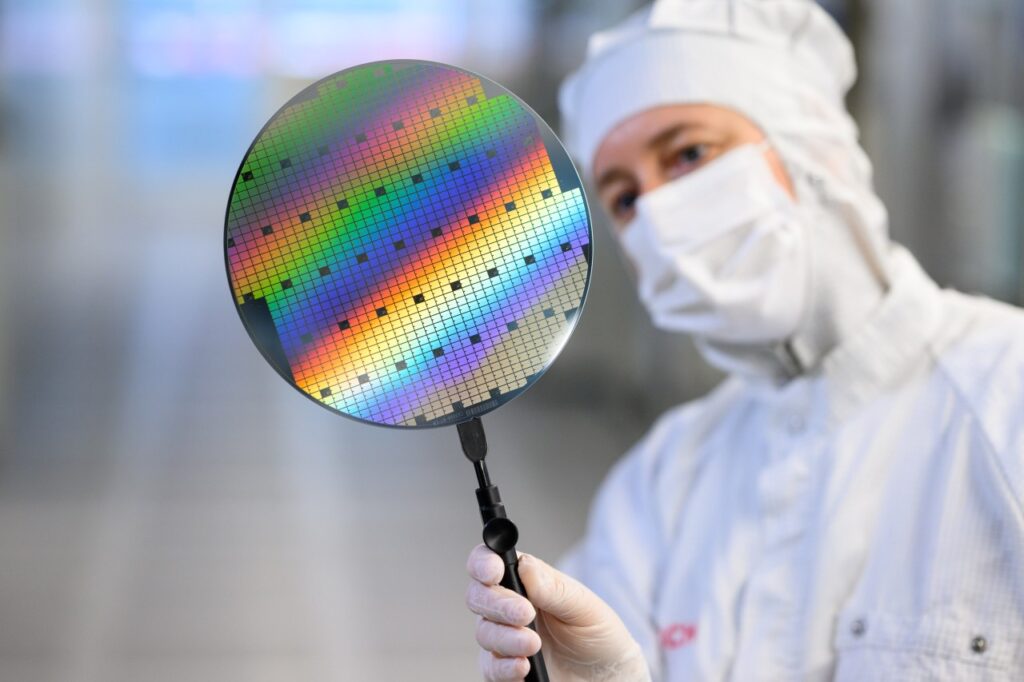
- Smaller Size, More Chips Per Wafer A compact design means lower production cost per chip.
- 60 Million+ Chips Delivered Globally Bosch brings battle-tested semiconductor expertise to India.
- €3 Billion+ Investment in Semiconductor Manufacturing Bosch backs this technology with serious money.
- SiC Market to Hit $9.2 Billion by 2029 India enters this boom at exactly the right time.
How the Third-Gen Bosch SiC Chips Improve Your EV’s Range
The new chips deliver approximately 20% higher performance than the previous generation. Furthermore, they come in a smaller physical size. This reduced size increases power density inside the chip. Consequently, manufacturers can fit more chips on a single wafer during production. That directly cuts cost per unit. Therefore, EV makers can offer better technology at a more competitive price.
Additionally, the chips improve the overall efficiency of drive electronics. This means your EV battery lasts longer between charges. In short, Bosch SiC chips for electric vehicles solve two problems at once — performance and affordability.
Bosch’s Bold Vision: Becoming a Global SiC Leader
Markus Heyn, Chairman of Bosch Mobility, put it plainly. He said, “SiC semiconductors are the key drivers of electromobility. They control energy flow and make it as efficient as possible. Our ambition is clear — we want to be a globally leading manufacturer of SiC chips.“
Bosch is not just talking. The company actively backs this vision with heavy investment. Specifically, Bosch has committed around €3 billion through Europe’s IPCEI semiconductor programs. Furthermore, Bosch is investing an additional €1.9 billion in its Roseville, California facility. Production of third-gen chips runs at its Reutlingen, Germany plant on advanced 200mm wafers. Additionally, Bosch expanded its global footprint by acquiring a second SiC fabrication plant in Roseville, California in 2023
Why India Is the Perfect Market for Bosch SiC Semiconductor Technology
India is moving past the early adoption phase. Today, the focus has shifted clearly to scale, efficiency, and lower ownership costs. EV makers need chips that deliver on all three fronts simultaneously. Bosch SiC chips for electric vehicles do exactly that.
Bosch has deep roots in India. The company first set up operations here in 1951. Since then, it has built a wide network of manufacturing and R&D facilities across the country. Bosch operates in mobility, industrial technology, consumer goods, and energy solutions. Bosch brings not just chips, but a full ecosystem of support to Indian EV manufacturers.
The Global SiC Market Is Booming — And India Wants a Piece
The numbers speak clearly. According to Yole Intelligence, the global SiC power semiconductor market stood at $2.3 billion in 2023. By 2029, that figure will reach $9.2 billion. Electromobility drives almost all of this growth.
Consequently, every major automaker globally races to lock in reliable SiC supply. Bosch, therefore, positions itself as the supplier of choice. With Bosch SiC chips for electric vehicles now available in India, local manufacturers gain direct access to world-class chip technology.
What This Means for Indian EV Buyers and Automakers
For automakers, this technology opens up new design possibilities. They can now build more powerful inverters in smaller packages. Furthermore, they can pass the cost savings from higher wafer yield on to consumers. For buyers, this ultimately means better range, smoother power delivery, and lower running costs.
Additionally, Bosch actively encourages local ecosystem development. The company works with Indian partners to strengthen domestic supply chains. As a result, India moves closer to self-reliance in advanced EV components.
Stay tuned to The Garage Motoring
Follow us on:
Join us on WhatsApp to never miss an update: https://whatsapp.com/channel/0029Vb8Fl286RGJGM6HEgX0N
Follow us on Instagram for the latest scoops: https://www.instagram.com/thegaragemotoring
Follow us on Facebook for the latest content: https://www.facebook.com/thegaragemotoring
Follow us on X and be the first to know everything on wheels: https://x.com/TGMotoring