
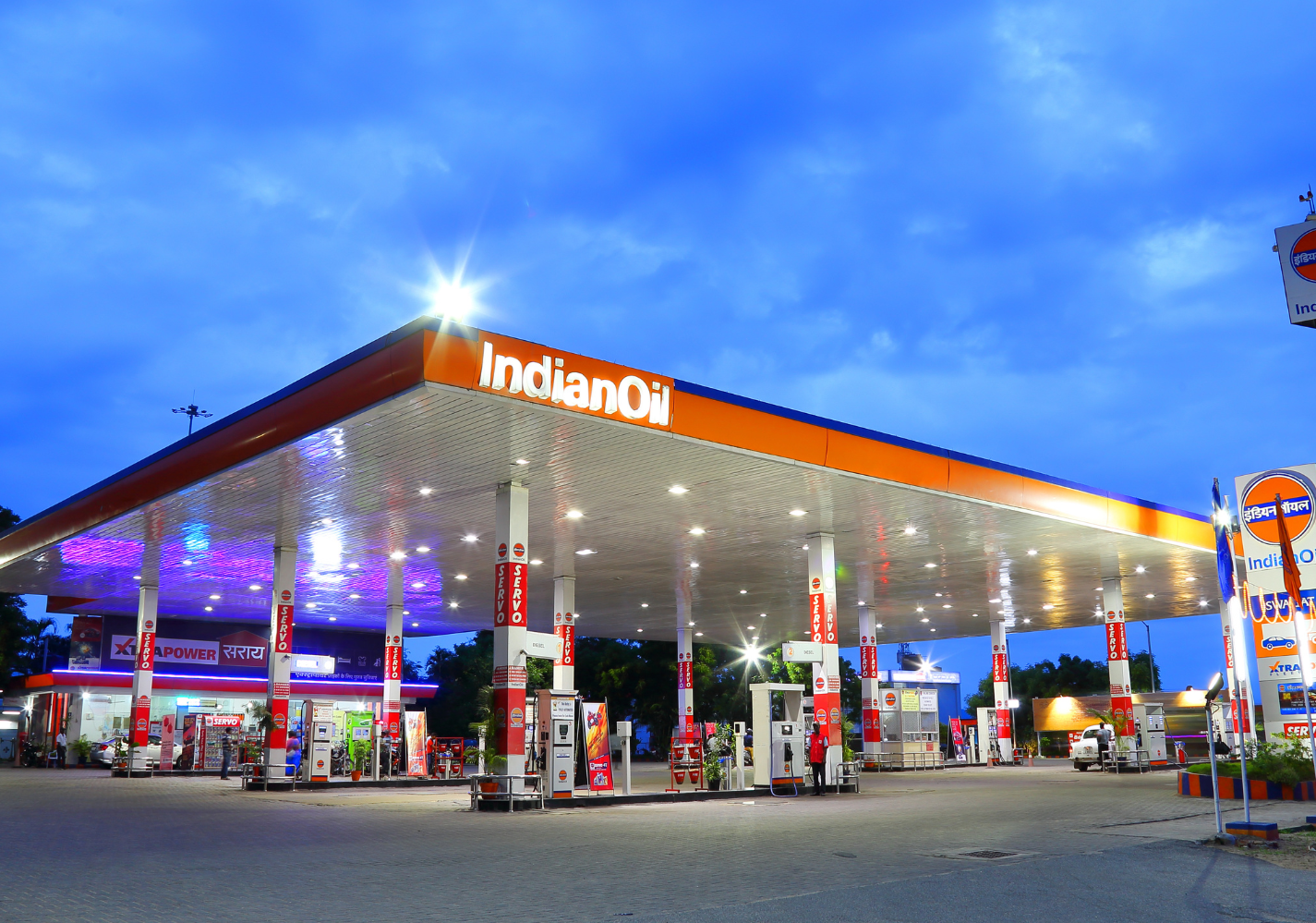
Petrol prices in India have more than doubled over the past decade and a half, and every time you pull up to a fuel bunk, that reality hits before the nozzle even starts. You glance at the meter, brace yourself, and pay, because there is no other option. From around ₹52 per litre in 2010 to over ₹103 in 2026, the rise in petrol and fuel prices in India is more than just numbers; it reflects the daily struggle of millions of Indian riders and drivers who have quietly shouldered every increase, year after year.
The Garage Motoring — Data Report
Tamil Nadu Fuel Price Timeline (2010–2026)
Chennai / Tamil Nadu retail rates · ₹ per litre · All prices include state VAT & central excise
| Year | Petrol | Diesel | Trend | Key Reason |
|---|
2010: The Fuel Price That Felt Normal
To begin with, let us go back to 2010, when Tamil Nadu petrol was sitting at around ₹52 per litre. At that point in time, global crude was averaging $79 a barrel. India was importing heavily, as always. The rupee was holding at around ₹46 to the dollar. Meanwhile, the UPA government was slowly stepping back from fuel subsidies. As a result, prices were beginning to move with the market for the first time. Most people thought ₹52 was already too high. Nobody, however, knew what was coming.
2011–2013: The Arab Spring Sets Everything on Fire
Then came the Arab Spring, and consequently, everything changed overnight. Crude oil spiked sharply to $95–98 a barrel. The Middle East was burning politically. Because India imports close to 80% of its crude, it felt every single tremor from that region. By 2011, therefore, petrol in Tamil Nadu had already crossed ₹64. By 2013, it crossed ₹73. Furthermore, since the government deregulated petrol pricing in June 2010, the market was now doing the talking — and it was not speaking gently.
2014–2015: The One Time Crude Crashed (But Taxes Did Not)
Then came the second half of 2014, and crude oil did something completely unexpected, it crashed hard. From $93 a barrel, it tumbled all the way down to around $49 by 2015. Diesel was fully deregulated around this time. However, instead of passing on those savings to consumers, the newly elected NDA government chose a different path altogether. It hiked central excise duty, nine times in a row, between November 2014 and January 2016. As a direct result, excise on petrol jumped from ₹9 per litre to ₹21 per litre. In other words, the global oil gift was quietly absorbed into the government’s revenue chest.
2016–2018: When Taxes Did All the Heavy Lifting
Even though crude stayed weak, prices at the pump stayed surprisingly strong. By June 2017, daily dynamic pricing was introduced across India. From that point forward, small price changes happened every morning at 6 AM. On the surface, the logic seemed fair, frequent small hikes hurt less than one big sudden shock. Nevertheless, the direction was always upward, never downward. By 2018, petrol in Tamil Nadu had crossed ₹78. On top of that, the rupee had fallen to ₹74 against the dollar, making crude imports even more expensive regardless of global barrel rates.
2019–2020: COVID, Cheap Crude, and a Cruel Twist at the Pump
Then the pandemic arrived in 2020, and crude oil did something truly unthinkable. WTI crude oil futures, in fact, briefly went into negative territory in April 2020, the first time in recorded history. India’s crude import costs collapsed sharply as a result. Logically, retail petrol prices should have fallen significantly. They did not, however. Instead, the central government hiked excise duty by ₹10 per litre on petrol in May 2020, absorbing every paisa of the oil price crash into government revenue. Consequently, the motorist on the road got absolutely nothing. Petrol in Tamil Nadu, therefore, stayed close to ₹77–78 throughout this period.
2021–2022: The Painful Breach of ₹100
Nobody genuinely wanted to see ₹100 on the fuel meter. Yet, it came regardless. By late 2021, post-COVID economic recovery had pushed crude back up sharply to $68 a barrel. Economies worldwide were reopening fast. Demand was roaring back strongly. As a result, petrol in Tamil Nadu crossed ₹100 for the very first time. Then, to make matters worse, the Russia-Ukraine war broke out in 2022. Crude consequently shot up to $95 a barrel. Between March and April 2022, prices were hiked cumulatively by around ₹10 per litre through a series of daily revisions. The government eventually cut excise by ₹8 in May 2022. Additionally, Tamil Nadu cut its state VAT by ₹3 in August 2022. Nevertheless, the damage was already done. Diesel, meanwhile, had crossed ₹94 per litre.
2023–2025: Three Years of Frozen Prices
For nearly three years after that, prices in Tamil Nadu barely moved at all. Petrol held steady at ₹100.79. Diesel remained at ₹93.37. Global crude softened somewhat. Elections came and went across multiple states. As a result, prices were politically frozen throughout this period. Meanwhile, behind the scenes, the Oil Marketing Companies Indian Oil, HPCL, and BPCL were quietly absorbing heavy losses. The government, understandably, kept the peace at the pump. It was, in fact, the longest stretch of stable fuel prices in over a decade. However, stability built entirely on suppressed losses is not real stability. It is simply a countdown to the next hike.
2026: The Reckoning Arrives
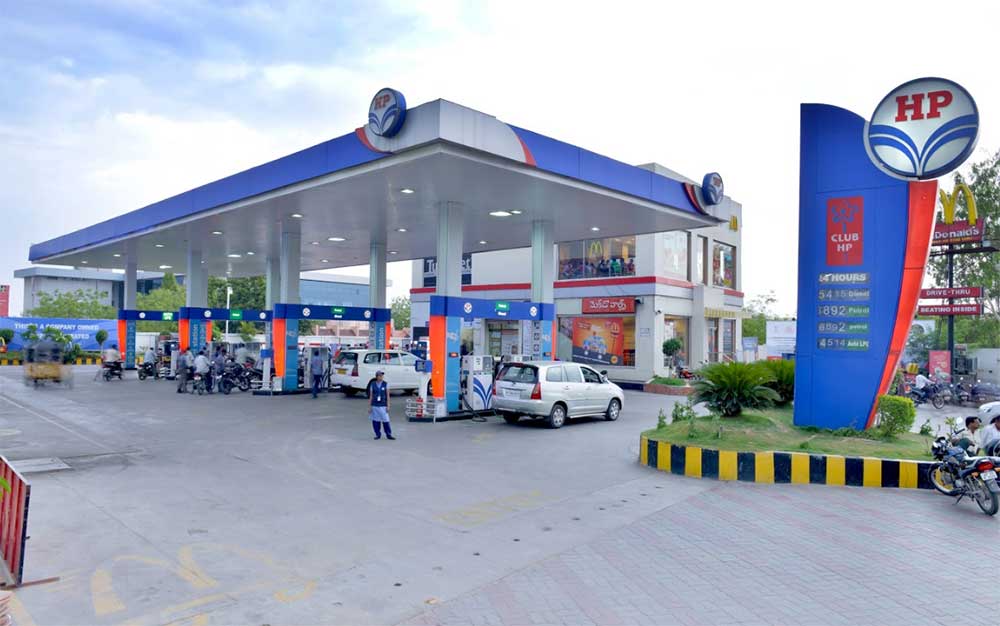
And finally, that countdown ended on May 15, 2026. Petrol and diesel were both hiked by ₹3 per litre, effective immediately. Tamil Nadu petrol consequently crossed ₹103. Diesel touched ₹96 per litre. The state elections were done by then. The accumulated OMC losses could no longer be held back. Furthermore, rising geopolitical tensions, including serious fears of a Hormuz Strait blockade had pushed crude higher once again. The rupee had weakened further against the dollar. The OMCs, in short, had been patient long enough.
The Bigger Picture: What It All Means
Sixteen years. ₹52 to ₹103. Petrol prices in Tamil Nadu have, in effect, doubled. But even so, this is not simply a story of greed or poor governance. It is, above all, a story of global markets, political timing, rupee weakness, and an economy deeply tied to imported crude oil. Because India imports close to 80% of its oil, every war, every OPEC decision, and every rupee that slides against the dollar lands without fail at your neighbourhood fuel station. The truth is, the motorist at the bunk does not see geopolitics. He does not read OPEC reports. He sees the meter and counts the notes in his wallet. And then, quietly, he rides on. That, in the end, is the most honest summary of India’s long and painful fuel price story.


2 thoughts on “The Hike That Never Stops?”