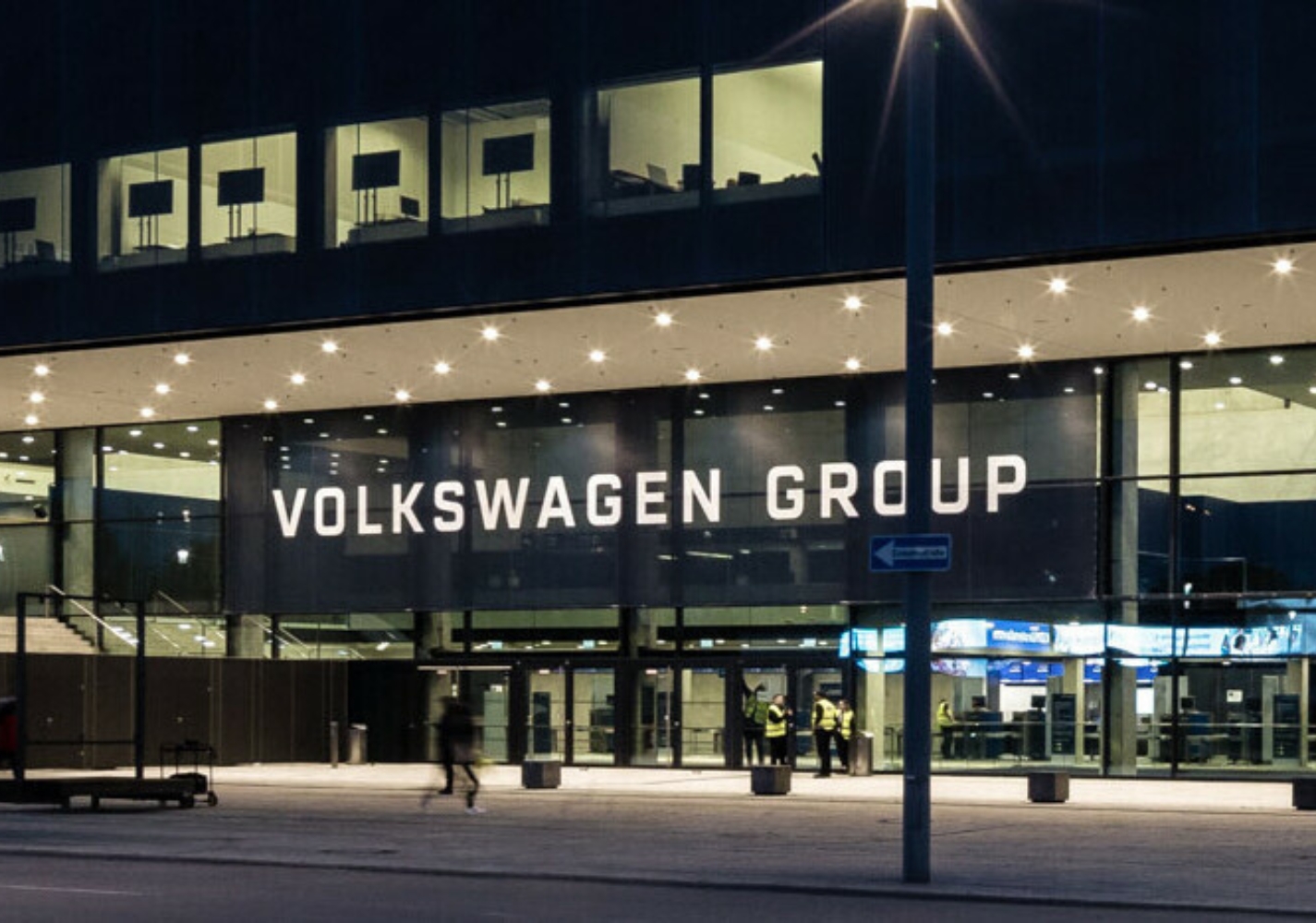
Volkswagen Group has just dropped a bombshell on the automotive world. The German giant will cut its global model portfolio by up to 50 percent by 2030. This isn’t just another corporate announcement. It marks one of the biggest shake-ups in Volkswagen’s long history. Consequently, the company aims to lower costs and simplify production. Meanwhile, it wants to boost profitability across all its brands. The Volkswagen model line-up cut comes as demand slows worldwide.
Which Brands Fall Under This VW Restructuring Plan
Volkswagen Group owns a massive family of brands. These include Volkswagen, Audi, Porsche, Skoda, SEAT, Cupra, Bentley, and Lamborghini. Volkswagen Commercial Vehicles also falls under this umbrella. As a result, the restructuring touches almost every corner of the group. The company will gradually phase out models that underperform

Highlight
Volkswagen Group will trim its global model range by up to 50% before 2030 ends.
Trim levels and optional equipment choices may shrink by nearly 75 percent.
Annual production capacity will fall to nine million vehicles, down from ten million.
Reports indicate up to 100,000 jobs globally could eventually feel the impact.
Volkswagen will prioritise SUVs, premium models, and EVs over sluggish sellers.
Fewer Trims, Fewer Choices, More Efficiency
Beyond cutting models, Volkswagen will also simplify vehicle configurations drastically. Trim levels, powertrains, and optional equipment will shrink significantly. In fact, these choices could fall by up to 75 percent. Therefore, manufacturing becomes far more efficient and less complicated. Volkswagen believes fewer combinations mean lower development costs overall the production speeds up while profitability improves across every brand.
Production Capacity Takes a Hit Too
Volkswagen also plans to reduce its annual production capacity. The number will drop to around nine million vehicles. Currently, the company produces close to ten million units yearly. This reduction reflects weaker global demand patterns. Simultaneously, it aligns manufacturing more closely with actual market needs.
What CEO Oliver Blume Has to Say
According to Volkswagen Group CEO Oliver Blume, the industry faces mounting pressure. Competition from Chinese EV manufacturers keeps intensifying every quarter. Meanwhile, higher tariffs and geopolitical tension add further strain. Stricter environmental regulations also push costs upward consistently. Rising development expenses complicate matters even more for legacy automakers. Therefore, Blume insists the company must act immediately. This action, he says, secures long-term competitiveness and financial stability
Shifting Focus from Volume to Value
This VW restructuring plan signals a clear strategic shift. Volkswagen moves away from chasing pure sales volume now. Instead, it wants to build a leaner, more profitable business model. Rather than offering dozens of overlapping products, the group narrows its focus sharply. High-demand SUVs,
The Volkswagen model line-up cut marks a defining moment for the company. It also signals wider change across the global automotive industry. As competition grows fiercer, automakers everywhere may soon follow suit. Therefore, keep watching this space for further updates on Volkswagen’s journey.
Follow us on:
Join us on WhatsApp to never miss an update: https://whatsapp.com/channel/0029Vb8Fl286RGJGM6HEgX0N
Follow us on Instagram for the latest scoops: https://www.instagram.com/thegaragemotoring
Follow us on Facebook for the latest content: https://www.facebook.com/thegaragemotoring
Follow us on X and be the first to know everything on wheels: https://x.com/TGMotoring
Stay tuned to The Garage Motoring