Formula 1 India 2030 target confirmed by FMSCI President Arindam Ghosh after meeting with the Sports Ministry. WRC is targeting 2028.
A Dream That Never Quite Went Away
India hosted Formula 1 once. The Buddh International Circuit in Greater Noida saw three Indian Grand Prix rounds between 2011 and 2013. The crowds were large. The excitement was real. Sebastian Vettel won all three times. And then for reasons that mixed political indifference, tax disputes and infrastructure gaps it was gone. The circuit fell silent. The dream of India as a Grand Prix nation faded into a frustrated memory for motorsport fans across the country. Over a decade later, that dream is being spoken about again officially, at the highest levels of government. And this time, there is a timeline attached.
What Was Said And Who Was in the Room
The confirmation came from FMSCI President Arindam Ghosh at the federation’s Annual Awards function in Bengaluru. The announcement followed a meeting in New Delhi that brought together Union Sports Minister Mansukh Mandaviya, Minister of State Raksha Khadse, senior ministry officials and potential stakeholders. The Federation of Motor Sports Clubs of India the governing body for motorsport in India presented its case for hosting not just Formula 1 but a full calendar of global motorsport events. The government’s response, according to Ghosh, was encouraging. “The FMSCI’s inputs were well received,” he said. That is a careful and diplomatic phrase but it signals that the conversation has moved beyond wishful thinking into something more structured.
This is not the first time such a discussion has happened. In March 2026, Sports Minister Mandaviya had already pushed for an F1 revival holding a dedicated meeting with FMSCI to discuss a framework for developing a “strong pipeline” of Indian drivers and technical personnel. The June meeting builds directly on that earlier conversation.
MotoGP and WRC by 2028. A Closer Target First
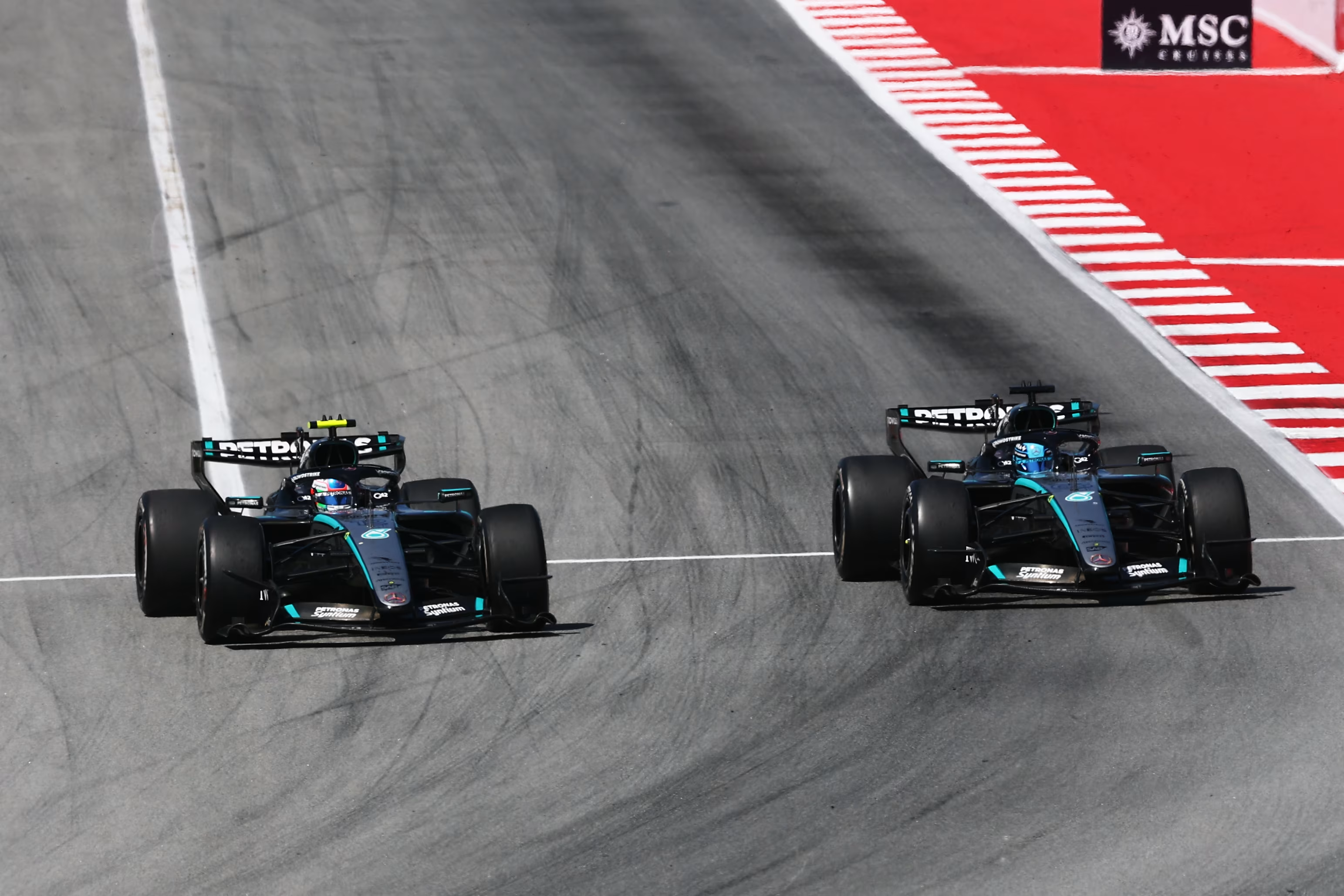
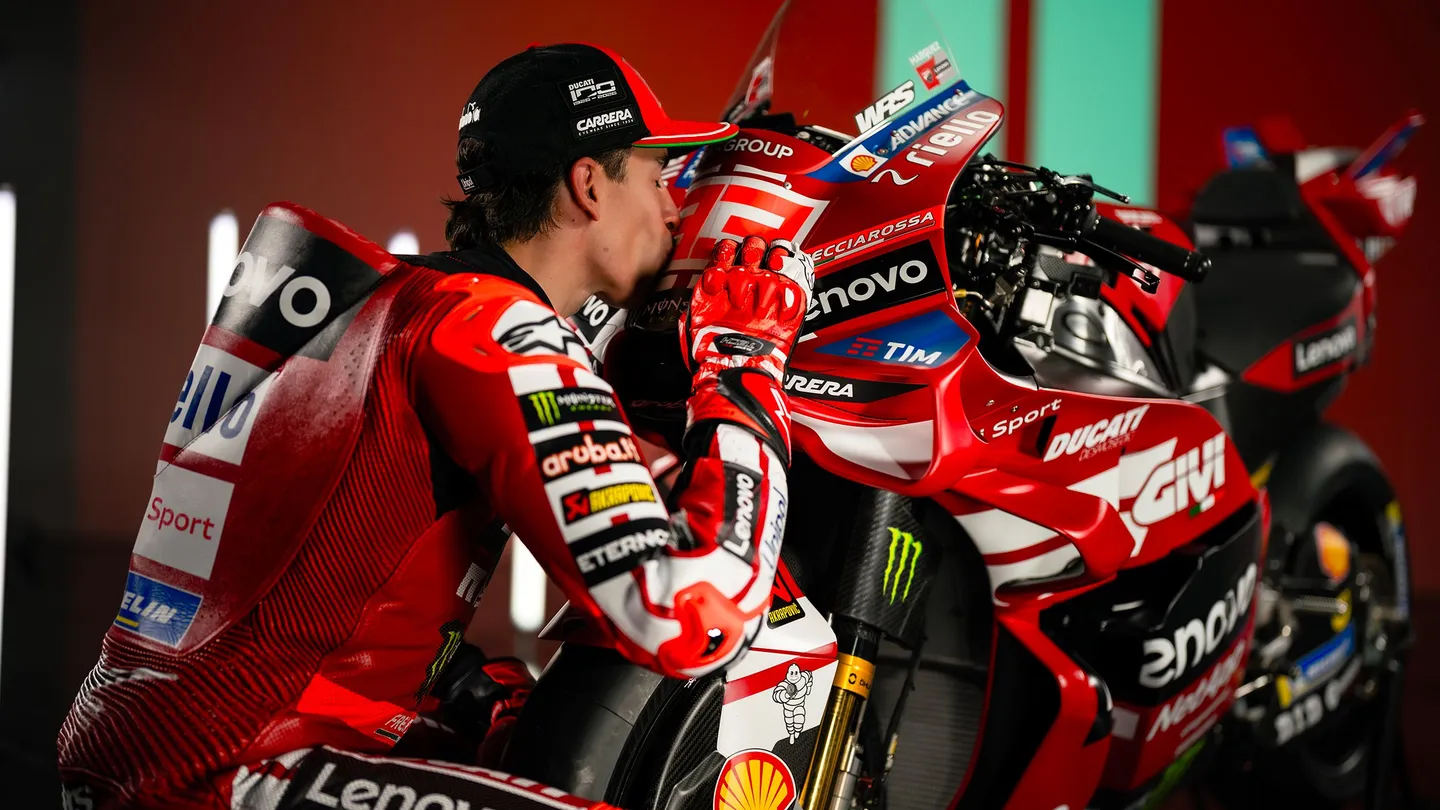
While Formula 1 India 2030 is the headline, there are two closer targets that deserve equal attention. India is aiming to host a round of MotoGP and a round of the World Rally Championship by 2028 two years ahead of the F1 ambition. For context, both of these events would represent significant firsts. A WRC round on Indian roads would be an extraordinary prospect given the diversity of terrain available across the country. If either or both of these materialise by 2028, they would also serve as meaningful proof-of-concept events demonstrating India’s organisational capability ahead of a larger F1 bid.
The Pipeline Problem Developing Indian Drivers
The FMSCI’s message to the government was not only about hosting events. A significant portion of the discussion was focused on developing Indian drivers and building a sustainable motorsport ecosystem. That emphasis matters. India has produced talented racing drivers over the years Narain Karthikeyan became the first Indian to race in Formula 1 in 2005. Karun Chandhok followed. Jehan Daruvala has competed at high levels of single-seater racing. But a consistent, well-funded pathway from karting through junior formulae to the top tier of international motorsport has never been firmly established in India.
The FMSCI’s push for a “strong pipeline” of drivers and technicians is an acknowledgement that hosting grands prix alone is not enough. The infrastructure to develop home-grown talent karting academies, Formula 4 programmes, engineering academies needs to be built alongside the venue ambitions. One feeds the other. An Indian Grand Prix without an Indian driver on the grid would be a missed opportunity of significant proportions.
137 Trophies and 17 Disciplines. The Night That Reminded India of Its Motorsport Depth
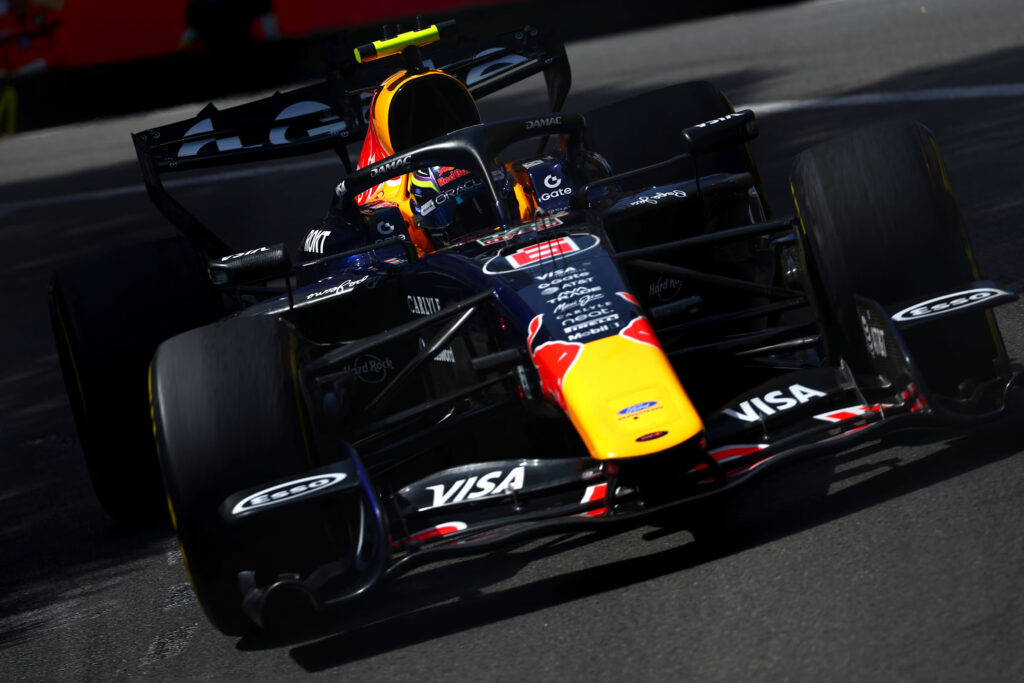
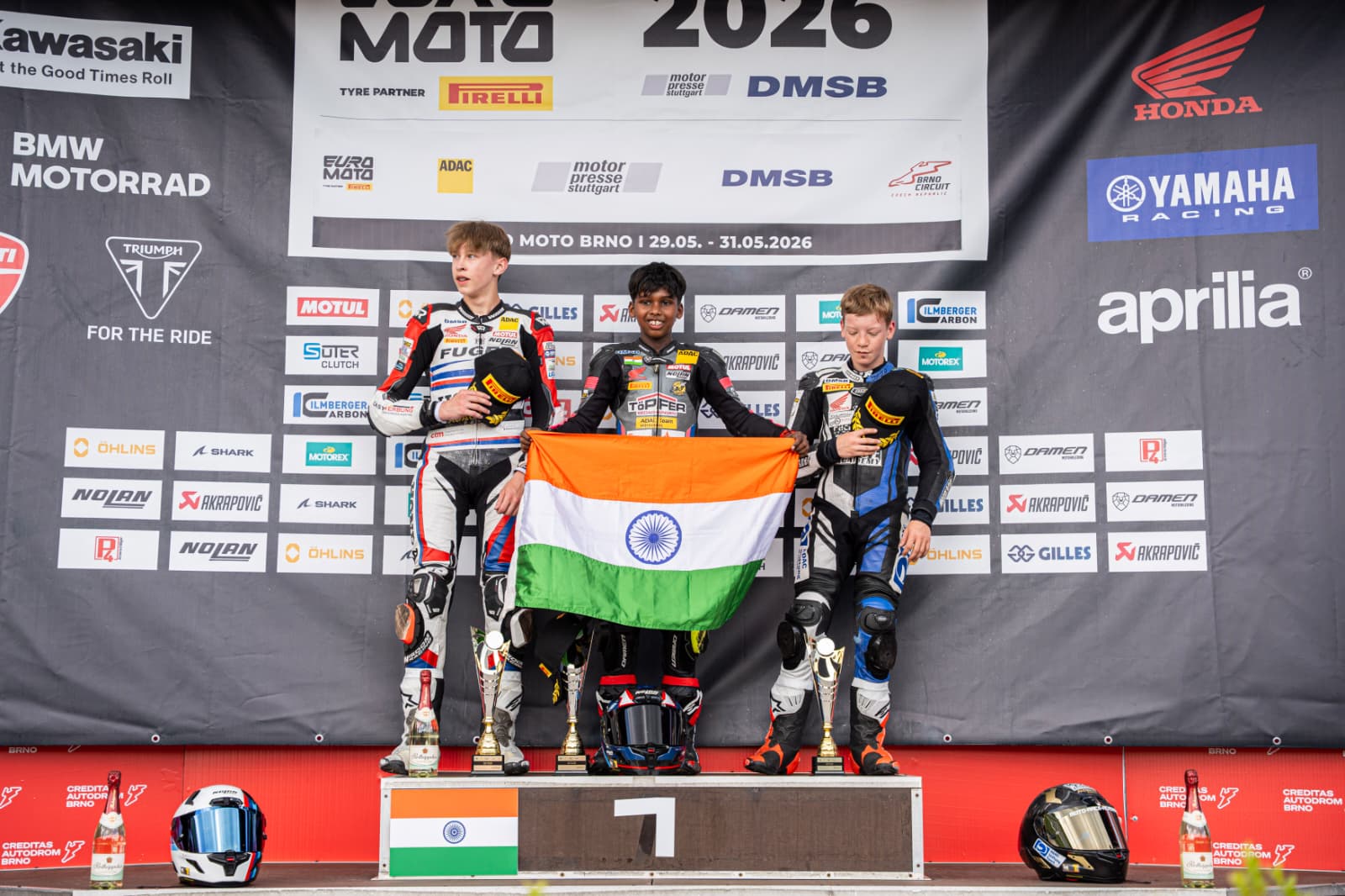
The announcement about F1 and MotoGP came at the FMSCI Annual Awards Night in Bengaluru a function that also recognised all of India’s motorsport national champions for 2025. One hundred and thirty-seven trophies were presented across 17 disciplines covering both two-wheelers and four-wheelers. Winning teams, promoters and sponsors were all honoured alongside the individual champions. That number 137 trophies, 17 disciplines is a reminder that Indian motorsport is not waiting for Formula 1 to validate it. The grassroots activity is real, active and growing. The ambition to host global events is an extension of that existing culture not a substitute for it.
What Needs to Happen Between Now and 2030
The road from ambition to a Formula 1 contract is a long and specific one. A venue must be identified or the Buddh International Circuit must be brought back up to current FIA Grade 1 homologation standards. A promoter with the financial capability to pay the Formula 1 hosting fee which runs into tens of millions of dollars annually must be secured. Tax and duty frameworks that previously complicated the 2013 exit need to be addressed at a legislative level. And the organisational machinery hospitality, logistics, broadcast infrastructure, medical facilities must meet the standards that Formula 1’s management now demands from host venues worldwide.
None of this is impossible. Several countries with smaller Motorsports traditions than India have made it work. But the gap between a ministry meeting and a signed FIA contract is a significant one. The 2030 target is aspirational at this stage but aspirational with government engagement behind it is considerably more meaningful than aspirational without it.
Why This Matters Beyond Motorsport
The return of Formula 1 to India would mean something beyond the racing itself. A Grand Prix weekend generates substantial economic activity for the host city and region. It generates international media coverage that no conventional tourism campaign can replicate. It attracts a global audience of affluent visitors and creates a platform for Indian brands to reach markets they may not otherwise access easily. The soft power of hosting a Grand Prix as many countries have discovered extends well beyond the four days of race weekend activity. India understood this between 2011 and 2013. The question now is whether the conditions can be created to make it sustainable this time.
Read Here: About The Last F1 Race Results
Follow us on:
Join us on WhatsApp to never miss an update: https://whatsapp.com/channel/0029Vb8Fl286RGJGM6HEgX0N
Follow us on Instagram for the latest scoops: https://www.instagram.com/thegaragemotoring
Follow us on Facebook for the latest content: https://www.facebook.com/thegaragemotoring
Follow us on X and be the first to know everything on wheels: https://x.com/TGMotoring